Why AI and 3D Modeling Are the Future of Sustainable DIY Home Design
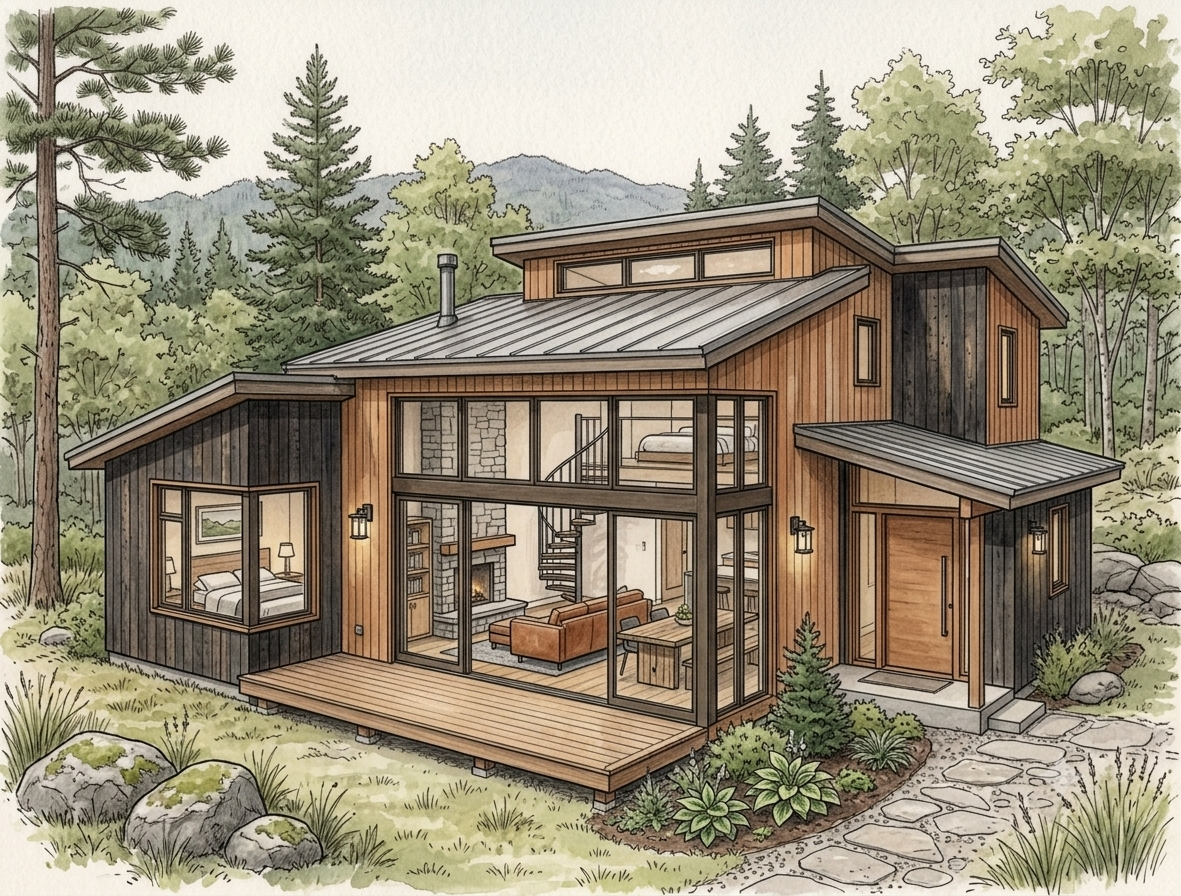
For decades, drafting a custom home plan meant hiring expensive corporate firms or trying to decipher complicated, heavy CAD software. For the DIY enthusiast dreaming of an eco-friendly wooden home or tiny house, the barrier to entry was massive.
Thankfully, the intersection of Artificial Intelligence (AI) and intuitive 3D browser modeling has permanently changed the game.
Demystifying Architecture for Everyone
You don't need a degree in structural engineering to start visualizing your dream home. Modern web-based platforms allow you to drag, drop, and customize walls, roofs, and materials effortlessly.
Why AI Integration Changes Everything:
* Instant Optimization: Smart algorithms can suggest the best orientation for your tiny house windows to optimize solar heat gain. * Real-Time Costing: As you adjust the size of your wooden frame in the 3D viewport, your estimated material costs update instantly. * Error Detection: AI guardrails prevent you from placing structurally unsound elements, keeping your DIY designs realistic.Green Building Made Easy
Sustainable design relies heavily on precision. By precisely calculating the volume of timber, insulation, and glass required through a digital twin, you drastically reduce physical job-site waste. This structural accuracy makes it easier to source local, sustainable materials without over-ordering.
Ready to experiment? Skip the steep learning curves. Our platform provides an accessible, browser-based 3D workspace where you can bring your sustainable tiny house or bungalow concepts to life in minutes.
Conclusion
The future of home building belongs to the creator. With AI-driven insights and real-time 3D rendering at your disposal, taking control of your sustainable building project is safer, cheaper, and more inspiring than ever before.
---
Related: Design your house in 3D online →
Frequently Asked Questions
Can I design my own house without an architect?
For many DIY and small residential projects, browser-based 3D tools let you draft walls, rooms, and rooflines yourself. For final construction documents and code compliance, it is still wise to have a licensed professional review your plans.
How does AI help with home design?
AI can auto-detect walls from an uploaded floor plan image, suggest templates based on your plot and style preferences, and answer technical questions about materials, insulation, or local building codes as you design.
Is 3D home design software free to use?
Many platforms offer a free tier for browser-based design, letting you model, visualize, and estimate costs before committing to paid services like manufacturer quotes or detailed engineering review.
Do I need special hardware to use 3D house design tools?
No — modern browser-based 3D editors run on standard laptops and even mobile devices, since the heavy rendering happens through your browser graphics engine rather than requiring installed CAD software.